
Introduction
As solar energy continues to grow in popularity, more homeowners are considering installing solar panels to reduce energy costs and embrace sustainable living. However, one critical factor that often gets overlooked is the type of roofing material beneath those panels.
Not all roofs are equally suited for solar installations. The durability, structure, and lifespan of your roof can directly impact how well your solar system performs over time. Choosing the right roofing material ensures proper support, easier installation, and long-term efficiency.
This guide explores the best roofing materials for solar panel support and what you should consider before making a decision.
Why Roofing Material Matters for Solar Panels

Solar panels are designed to last 20–30 years, so your roof needs to be equally durable. Installing panels on a weak or aging roof can lead to complications, including costly repairs or the need to remove and reinstall the system.
The right roofing material provides:
- Strong structural support for mounting systems
- Resistance to weather and environmental stress
- Compatibility with solar installation techniques
- Long-term reliability with minimal maintenance
Selecting the right roof isn’t just about supporting panels—it’s about protecting your entire investment.
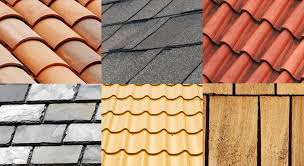
Asphalt Shingles: The Most Common Choice
Asphalt shingles are one of the most widely used roofing materials and are highly compatible with solar panel installations.
Why They Work Well
Asphalt shingles are relatively easy to work with, making the installation process straightforward for solar technicians. Mounting systems can be securely attached without causing significant damage to the roof.
Benefits
- Affordable and widely available
- Easy to install and repair
- Compatible with most solar mounting systems
Considerations
While asphalt shingles are practical, they typically have a lifespan of 15–30 years. If your roof is nearing the end of its life, it’s best to replace it before installing solar panels.
Metal Roofing: Durable and Solar-Friendly
Metal roofs are considered one of the best options for solar panel support due to their strength and longevity.
Why They Stand Out
Metal roofing systems, especially standing seam designs, allow solar panels to be mounted without drilling into the roof. This reduces the risk of leaks and simplifies installation.
Benefits
- Long lifespan (often 40–70 years)
- Excellent durability against harsh weather
- Minimal maintenance requirements
- Easy solar integration, especially with standing seam roofs
Considerations
Metal roofs can have a higher upfront cost, but their durability often makes them a worthwhile investment over time.
Tile Roofing: Strong but Requires Expertise
Tile roofs, including clay and concrete tiles, are known for their aesthetic appeal and durability. They can support solar panels, but installation requires special care.
Why They’re Suitable
Tiles are strong and long-lasting, making them a stable base for solar systems.
Benefits
- Long lifespan (often 50+ years)
- Resistant to fire and extreme weather
- Visually appealing
Considerations
Tile roofs are more fragile during installation. Some tiles may need to be removed or replaced to accommodate mounting hardware, which can increase labor costs.
Slate Roofing: Premium and Long-Lasting
Slate is a high-end roofing material known for its exceptional durability and classic appearance.
Why It Works
Slate roofs can last over 75 years, making them an excellent match for the lifespan of solar panels.
Benefits
- Extremely durable and weather-resistant
- Long lifespan
- Adds value and aesthetic appeal to the home
Considerations
Slate is heavy and fragile, requiring experienced installers. The cost is also significantly higher compared to other materials.
Flat Roofs: Flexible Installation Options
Flat roofs are common in commercial buildings but are also found in some residential designs. They offer unique advantages for solar panel placement.
Why They’re Effective
Solar panels on flat roofs are typically installed using angled mounting systems. This allows for optimal positioning toward the sun.
Benefits
- Flexibility in panel orientation and tilt
- Easier access for maintenance
- Suitable for large solar arrays
Considerations
Flat roofs may require additional structural support and careful drainage planning to prevent water accumulation.
Wood Shingles and Shakes: Less Ideal but Possible
Wood roofing materials are less commonly used for solar installations, but they can still support panels with proper precautions.
Challenges
Wood is more susceptible to moisture, fire risk, and wear over time. These factors can complicate solar installation.
Considerations
Special mounting techniques and additional safety measures may be required. In many cases, homeowners consider upgrading to a more durable material before installing solar panels.
Key Factors to Consider Before Installation
Choosing the best roofing material involves more than just compatibility. Several factors should guide your decision.
Roof Age
If your roof is older, it may not last as long as your solar panels. Replacing the roof before installation can save time and money in the long run.
Structural Strength
Your roof must be able to support the additional weight of solar panels and mounting systems.
Climate Conditions
Weather patterns such as heavy snow, rain, or heat can influence which roofing material performs best.
Maintenance Needs
Some materials require more upkeep than others. Consider how much maintenance you’re willing to handle over time.
Should You Replace Your Roof Before Going Solar?
If your roof is nearing the end of its lifespan, replacing it before installing solar panels is often the smartest choice.
Removing and reinstalling solar panels for roof repairs can be expensive and time-consuming. A new, durable roof ensures that your solar system can operate efficiently for decades without interruption.
The Role of Professional Installation
No matter which roofing material you choose, proper installation is essential. Working with experienced roofing and solar professionals ensures:
- Secure mounting without damaging the roof
- Compliance with local building codes
- Optimal panel placement for maximum efficiency
Professional guidance can also help you select the best roofing material based on your specific needs and location.
Also Read: How Roof Orientation Affects Solar Panel Efficiency in Ontario
Final Thoughts
The success of a solar panel system depends not only on the panels themselves but also on the roof supporting them. Choosing the right roofing material can enhance durability, simplify installation, and maximize long-term performance.
Asphalt shingles offer affordability and ease, metal roofs provide unmatched durability, and premium materials like slate deliver long-lasting value. Each option has its strengths, and the best choice depends on your budget, climate, and long-term goals.
By investing in the right roofing material, you create a strong foundation for your solar system—ensuring reliable energy and peace of mind for years to come.