
Introduction
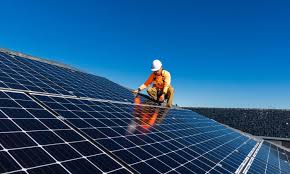
Solar energy has become an increasingly attractive option for homeowners across Ontario who want to reduce electricity costs and adopt more sustainable energy solutions. With rising interest in residential solar systems, many homeowners are exploring how to maximize the performance of solar panels installed on their roofs.
While factors such as panel quality, installation method, and local weather conditions play important roles, one of the most significant elements influencing solar efficiency is roof orientation. The direction a roof faces determines how much sunlight solar panels receive throughout the day, which directly affects energy production.
Understanding how roof orientation impacts solar panel efficiency can help Ontario homeowners make informed decisions when planning a solar installation.
What Roof Orientation Means for Solar Panels
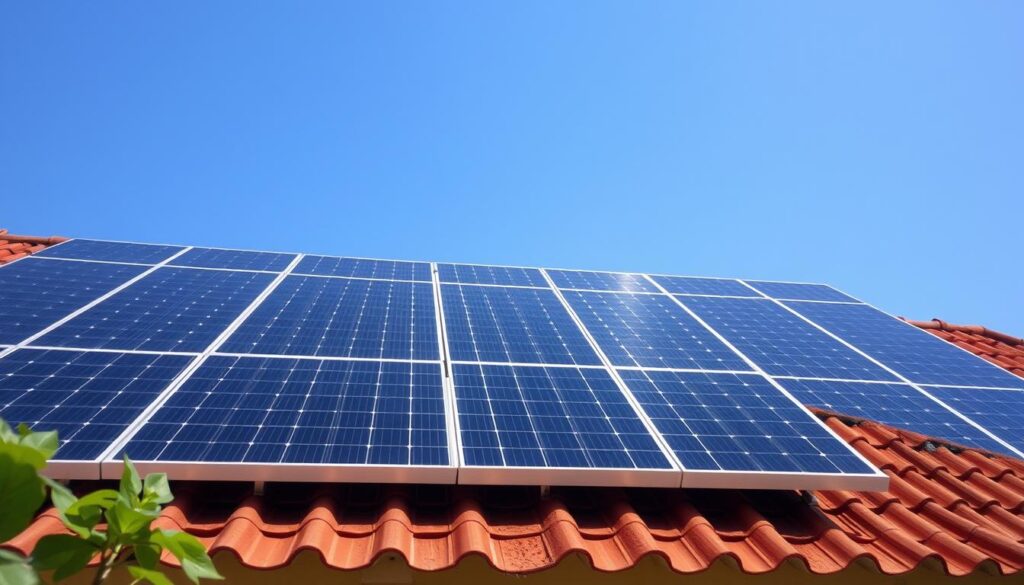
Roof orientation refers to the direction a roof surface faces relative to the sun. In solar installations, orientation determines how long solar panels are exposed to direct sunlight during the day.
In the Northern Hemisphere, including Ontario, the sun generally travels across the southern portion of the sky. Because of this path, roofs that face south receive the most consistent and direct sunlight throughout the day.
Solar panels generate electricity by converting sunlight into energy. Therefore, the more direct sunlight they receive, the more electricity they can produce. A roof’s orientation plays a major role in determining how much sunlight reaches the panels.
Why South-Facing Roofs Are Ideal in Ontario
For most homes in Ontario, south-facing roofs are considered the most efficient orientation for solar panels. This is because they receive the highest amount of sunlight during the day, particularly between mid-morning and late afternoon.
South-facing installations typically produce the maximum annual energy output because they capture sunlight consistently throughout the year. This orientation allows solar systems to perform efficiently during all seasons, including winter months when daylight hours are shorter.
Homeowners with south-facing roofs often achieve the best return on investment from their solar systems because the panels can generate electricity at higher levels.
East-Facing Roofs and Morning Energy Production
East-facing roofs receive the most sunlight during the morning hours when the sun rises in the eastern sky. Solar panels installed on east-facing roofs begin generating electricity earlier in the day compared with other orientations.
However, as the sun moves westward, the amount of direct sunlight hitting east-facing panels decreases. This typically results in slightly lower overall energy production compared with south-facing installations.
Despite this difference, east-facing roofs can still be a good option for solar panels, especially for households that use more electricity during morning hours.
West-Facing Roofs and Afternoon Solar Output
West-facing roofs receive the most sunlight during the afternoon and early evening hours. Solar panels installed on these roofs may generate less electricity in the morning but can perform strongly later in the day.
This orientation can be beneficial for households that consume more electricity during the afternoon or evening. For example, homes where occupants return from work and begin using appliances later in the day may benefit from west-facing solar production.
Although west-facing systems may produce slightly less total energy than south-facing ones, they can still provide strong performance in Ontario’s climate.
North-Facing Roofs and Solar Limitations
North-facing roofs generally receive the least amount of direct sunlight in the Northern Hemisphere. Because the sun remains mostly in the southern part of the sky, north-facing surfaces often remain in shade for much of the day.
As a result, solar panels installed on north-facing roofs usually produce significantly less electricity than panels facing other directions. For this reason, installers typically avoid placing solar panels on north-facing roof sections unless other options are limited.
In some cases, homeowners with north-facing roofs may consider alternative solutions such as ground-mounted solar systems or installing panels on other parts of the property.
The Role of Roof Angle and Tilt
In addition to orientation, the angle or tilt of the roof also influences solar panel efficiency. The tilt determines how directly sunlight hits the panel surface.
In Ontario, an ideal solar panel tilt generally ranges between 30 and 45 degrees. This angle allows panels to capture sunlight efficiently throughout the year, including during lower winter sun angles.
Fortunately, many residential roofs naturally fall within this range, making them suitable for solar installations. When necessary, installers can also adjust panel mounts to optimize the tilt.
Seasonal Sunlight Patterns in Ontario
Ontario experiences distinct seasonal changes that affect solar energy production. During the summer months, the sun is higher in the sky and daylight hours are longer, allowing solar panels to generate more electricity.
In winter, the sun sits lower on the horizon and days are shorter. However, properly oriented solar panels can still produce meaningful amounts of electricity during this time.
Roof orientation becomes particularly important during winter because south-facing panels can capture the lower-angle sunlight more effectively than panels facing other directions.
Impact of Roof Orientation on Energy Savings
The direction of a roof can influence how much electricity a solar system generates over the course of a year. Since solar production directly offsets electricity from the grid, this also affects potential energy savings.
South-facing systems usually provide the highest annual energy output, which can lead to greater reductions in electricity bills. East- and west-facing systems may generate slightly less energy but can still provide significant savings for homeowners.
Even homes without ideal roof orientation can often benefit from solar panels, especially when modern high-efficiency panels are used.
Combining Multiple Roof Orientations
Some homes have roofs with multiple slopes facing different directions. In these cases, solar installers may place panels across several roof sections to maximize total sunlight exposure.
For example, panels might be installed on both east- and west-facing sections to capture sunlight throughout the day. This approach can create a more balanced energy production profile, generating electricity in both morning and afternoon hours.
Modern solar systems can accommodate different panel orientations while maintaining efficient energy production.
Other Factors That Affect Solar Panel Performance
While roof orientation is an important factor, several other elements also influence solar panel efficiency.
Roof shading is one of the most significant considerations. Trees, nearby buildings, and chimneys can block sunlight and reduce panel output.
Roof condition also matters. A strong, well-maintained roof provides a stable foundation for solar panels and ensures the system can remain in place for decades.
Panel quality and inverter efficiency also contribute to overall system performance. High-quality components often improve energy output regardless of roof orientation.
Professional Assessment Before Installation
Before installing solar panels, homeowners typically receive a professional solar assessment. During this process, installers evaluate several aspects of the property, including roof orientation, shading, tilt, and structural condition.
Using specialized software and solar mapping tools, professionals can estimate how much electricity a solar system may generate based on the home’s specific characteristics.
This assessment helps homeowners understand the potential benefits of solar energy and determine the most effective installation layout.
Also Read: How Ontario’s Seasonal Weather Impacts Roof-Mounted Solar Systems
Conclusion
Roof orientation plays a crucial role in determining how efficiently solar panels perform on Ontario homes. South-facing roofs generally provide the highest energy production because they receive the most direct sunlight throughout the day. East- and west-facing roofs can also support effective solar systems, although their production patterns may vary.
While north-facing roofs are typically less suitable for solar installations, many homes still have alternative roof sections or property areas that can accommodate panels.
By understanding how roof orientation affects solar panel efficiency, Ontario homeowners can make informed decisions when considering solar energy. With proper planning and professional installation, solar panels can provide reliable energy production and long-term savings for many years.